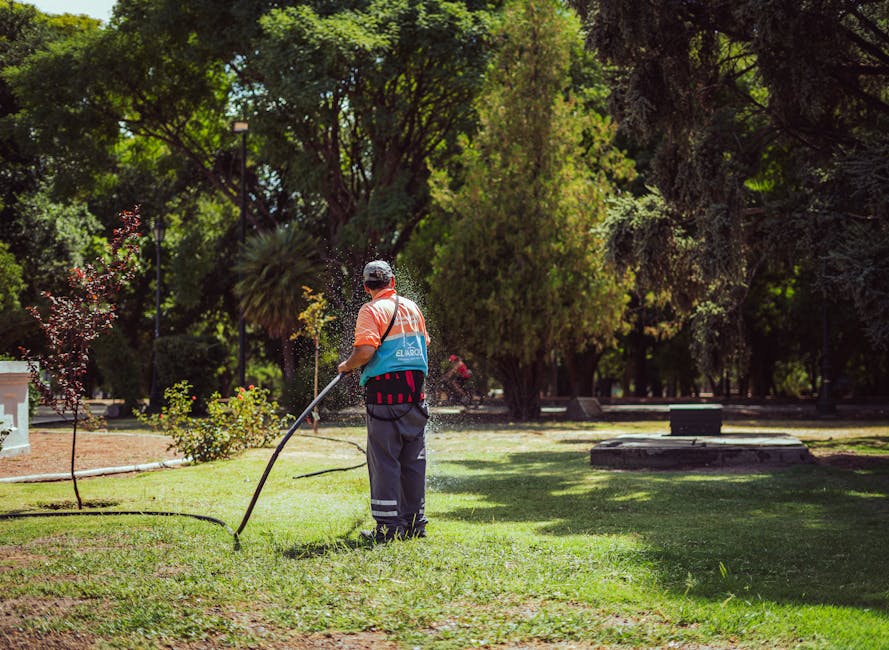
Belmont gardeners serving Belmont Road and Grange Estate
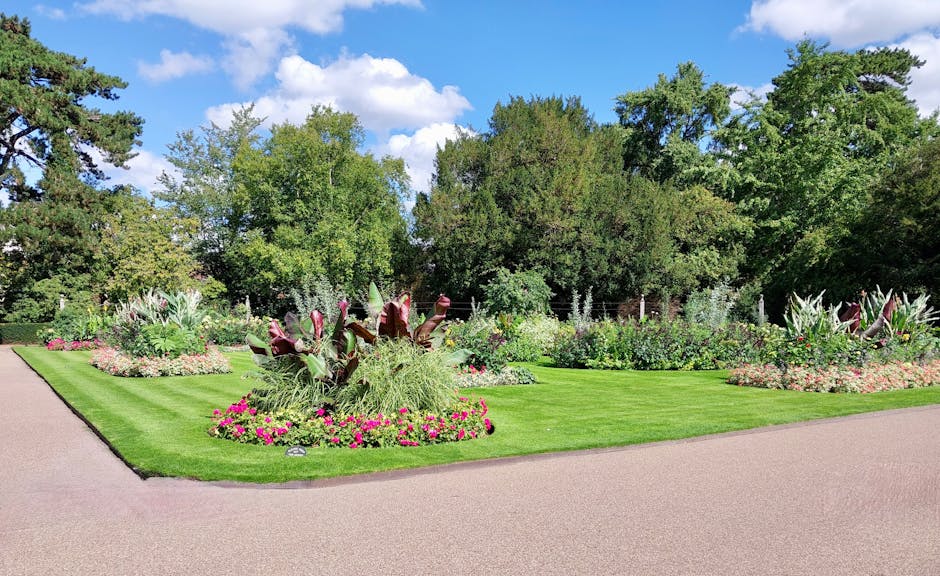
If you live on Belmont Road or in Grange Estate, you already know how quickly a garden can slide from "fine for now" to a weekend-eating headache. One windy spell, a few missed cuts, and suddenly the lawn looks tired, the hedge is leaning over the path, and the whole place feels harder to enjoy. That is where Belmont gardeners serving Belmont Road and Grange Estate make a real difference: not just by cutting, trimming, or clearing, but by keeping your outdoor space manageable, healthy, and a lot more pleasant to live with.
This guide explains what local garden services typically cover, how the process works, what good results actually look like, and how to choose the right help for your property. You will also find practical tips, a clear checklist, a comparison table, and answers to common questions people ask before booking. Straightforward stuff, really. But useful stuff.
Why Belmont gardeners serving Belmont Road and Grange Estate matters
A garden is one of those things you stop noticing when it is well looked after. Then the grass goes patchy, the borders get crowded, and every small job seems to trigger three more. In a local residential setting like Belmont Road and Grange Estate, regular garden care matters because properties often need a steady hand rather than a dramatic one-off overhaul.
Local gardeners are especially useful where access is tight, front gardens need to stay neat, and shared boundaries or roadside visibility make presentation important. If a hedge is encroaching on a path or a lawn has become uneven after a wet spell, the fix is usually simple enough. But timing matters. Leave it too long and the work becomes heavier, costlier, and frankly less enjoyable for everyone involved.
There is also the everyday value. A tidy garden feels calmer. It is easier to open the back door and actually use the space. You hear birds more, you notice the planting again, and the whole place starts pulling its weight. That sounds a bit poetic, perhaps, but it is true.
Key takeaway: Good local garden care is not only about appearance. It helps prevent small issues from becoming expensive, awkward, or unsafe later on.
How Belmont gardeners serving Belmont Road and Grange Estate works
In practice, the service usually starts with a quick look at the garden, either in person or from photos if the job is straightforward. The gardener identifies what needs doing now, what can wait, and what may need a more specialised approach. If there is a mixed job, such as hedge trimming plus lawn mowing plus a bit of clearance, the work is often grouped efficiently so the garden is left in one clean sweep rather than half-finished.
For many homes, the routine follows a simple pattern:
- Assess the condition of the garden and any access issues.
- Confirm the priority tasks and expected finish.
- Carry out the work using suitable tools and safe working methods.
- Collect waste, tidy edges, and check the garden is left usable.
- Recommend follow-up maintenance if the garden will benefit from it.
That last bit is important. A decent gardener does not only fix what is visible today. They will also notice whether the lawn is being cut too low, whether shrubs need shaping rather than hard cutting, or whether a border needs a seasonal reset. Small things, but they make the difference between a garden that keeps improving and one that keeps going backwards.
If you want a broad overview of what is usually available, the services overview page is a sensible place to start. From there, specific tasks such as garden maintenance, lawn mowing, and hedge trimming can be matched to the garden's actual condition.
Key Benefits and Practical Advantages
Let's face it: most people do not call a gardener because they are looking for another chore to supervise. They want a cleaner, easier outdoor space that does not keep demanding attention. That is where professional help earns its keep.
- Consistent presentation: Regular care stops gardens from swinging between immaculate and unruly.
- Better plant health: Correct pruning, cutting, and seasonal care reduce stress on plants.
- Safer pathways and edges: Overgrowth along steps, fences, and fronts can become clumsy or slippery.
- More usable space: When the garden is under control, you actually use it more. Funny how that works.
- Less waste and less fuss: Professional clearance and tidy-up save you multiple trips to the tip.
- Local practicality: A gardener familiar with Belmont Road and Grange Estate will understand access, parking, and the kind of maintenance rhythm local homes often need.
For larger or messier gardens, this can be even more valuable. A one-off session may feel dramatic at first, but the real win is what happens a month later: fewer weeds, less overgrowth, and a garden that does not feel like a project every time you glance at it.
If the space has become genuinely overrun, garden clearance can be the right first move before setting up a maintenance plan. And if the garden needs a broader visual refresh, landscaping or landscape gardening may be more appropriate than basic upkeep alone.
Who This Is For and When It Makes Sense
This kind of service is a good fit for a lot of different people. Some want regular help because work and family life leave little room for weekend gardening. Others simply want a reliable pair of hands for jobs that have got a bit out of control. And some properties just need more frequent attention because the garden grows fast, the hedge is always pushing, or the lawn never seems to stop asking for a cut.
It usually makes sense if you are:
- a homeowner who wants a neat front or back garden without constant effort
- a landlord or managing agent keeping a property presentable between tenancies
- a busy family trying to make the garden safe and usable again
- an older resident who would rather not handle heavy or repetitive garden work
- someone preparing for visitors, a sale, or a seasonal reset
There are also moments when a gardener is not just helpful, but practical common sense. If a tree is encroaching, if a hedge is blocking light, or if overgrowth is hiding damp, pests, or poor drainage, you want the issue assessed sooner rather than later. Not panic. Just timing.
For jobs involving branches, trunks, or anything structural, tree lopping and removal may be needed, though a proper assessment is always wise before cutting anything substantial.
Step-by-Step Guidance
If you are booking local garden help for the first time, the process becomes much easier when you approach it in a simple order. Here is a sensible way to do it.
1. Walk the garden properly
Look at the whole space, not just the obvious eyesores. Check the lawn, beds, hedge lines, fence edges, paths, and any corners where weeds or leaves tend to gather. It is often the corners, to be fair, that tell the real story.
2. Separate urgent work from optional work
Some tasks are immediate: blocked access, unsafe branches, or dense overgrowth. Others are improvement jobs, like reshaping beds or refreshing planting. Sorting these out helps keep the quote clear and the visit efficient.
3. Decide whether you need one-off help or ongoing maintenance
A one-off visit suits a garden that has slipped but is otherwise manageable. Ongoing garden maintenance makes more sense when growth is quick or you want a consistently neat finish. There is no magic answer here. It depends on how much time you want to spend later.
4. Ask for the scope to be clear
Good results start with clear expectations. Is waste removal included? Are clippings taken away? Will the edges be finished neatly? What about stubborn weeds, moss, or awkward access? The more specific the brief, the better the outcome tends to be.
5. Plan around the season
Spring and early summer often need growth control. Late summer can be about keeping edges tidy and preventing the garden from becoming straggly. Autumn brings leaf fall and clearance work. Winter is often the best time for a reset, pruning plan, or structural changes if conditions are suitable. Not every job needs sunshine, by the way. Gardeners in the UK know better than that.
6. Review after the visit
Have a quick look once the work is done. Check the finish, the waste collection, and whether the garden now feels easier to manage. This is also the right moment to note what should be done next time so you are not starting from scratch.
Expert Tips for Better Results
Good garden care is usually less about brute force and more about judgment. A few small habits make a surprisingly big difference.
- Do not cut too much at once. If a hedge or shrub has been neglected, hard pruning at the wrong time can leave it stressed and bare. Sometimes gradual shaping is better.
- Keep the lawn at a sensible height. Cutting too short in dry or hot periods can leave grass thin and weak.
- Tackle weeds early. Once they establish in borders or paving gaps, the job gets slower and more fiddly.
- Think in layers. Lawn, hedge, borders, and hard surfaces all affect how tidy the garden looks.
- Allow for waste. A small job can create more clippings than expected, especially after a growth spurt.
- Leave room for the next visit. The best gardens are not just neat today; they are easy to maintain next month.
One practical tip that people often miss: if your garden has several small problem areas, combine them in one session rather than booking separate visits. It usually saves time and keeps the outdoor space feeling coherent instead of piecemeal.
If the garden includes a seating area, pergola, or timber feature, it may also be worth reviewing decking services. A clean, safe deck or patio can change how the whole space feels. A bit like opening a window on a stuffy day.
Common Mistakes to Avoid
Most garden problems are not caused by one big mistake. They are usually the result of a few small delays and assumptions. Easy to do, really.
- Leaving hedges too long between trims: Once they get broad and woody, the work becomes heavier and the shape is harder to recover.
- Ignoring drainage clues: Patches of standing water or soggy lawn areas should not be brushed aside as "just weather".
- Using the wrong cut height: Very short mowing can weaken grass, especially on stressed lawns.
- Trying to fix everything in one go without a plan: That often leads to tired results and wasted effort.
- Forgetting access and disposal: Clipping removal, gate width, and parking can all affect how smoothly the job runs.
- Assuming all gardeners offer the same approach: They do not. Some focus on maintenance, others on landscaping, clearance, or larger transformations.
A tiny aside, because it matters: if a job sounds like it will be "quick enough", it often is not. Gardens have a habit of hiding work until you are halfway into it. Then the wheelbarrow appears. Then another one. You know how it goes.
Tools, Resources and Recommendations
Not every homeowner wants to buy a shed full of equipment, and fair enough. But understanding the tools involved helps you judge whether a garden is being maintained properly.
| Task | Typical tools or approach | What good looks like |
|---|---|---|
| Lawn mowing | Rotary or cylinder mower, edge trimmer, collection bag | Even finish, clean edges, no scalping |
| Hedge trimming | Hedge trimmer, hand shears for detail work | Balanced shape, no ragged overcutting |
| Garden clearance | Rakes, bags, barrow, cutting tools | All waste removed, beds and paths left tidy |
| Tree work | Specialist pruning or removal equipment | Safe handling, clear understanding of what is being removed |
| Border and bed maintenance | Hand tools, forks, hoes, mulching materials | Weeds reduced, soil surface improved, planting room restored |
If you want to understand the wider service mix, the most useful supporting pages are lawn mowing, hedge trimming, and garden clearance. Those cover the everyday jobs most local gardens end up needing, sooner or later.
And for people who prefer to know how a company works before booking anything, it can be worth reading the about us page and the pricing and quotes information. Those pages help set expectations in a very plain-English way.
Law, Compliance, Standards, or Best Practice
For most domestic garden work, the important issue is not bureaucracy for its own sake. It is safe, sensible working. Any reputable gardener should be mindful of property access, trip hazards, tool safety, waste handling, and the condition of trees or large shrubs before work begins.
In UK practice, it is normal to expect:
- clear communication about the work to be done
- reasonable care around paths, gates, fences, and planted areas
- appropriate handling and removal of green waste where agreed
- special caution with tree work, heavy branches, and awkward access
- transparent terms around payment, timing, and any exclusions
If you are comparing providers, it is sensible to look at service transparency and safety information. Pages such as insurance and safety, health and safety policy, and terms and conditions are useful because they show how the business handles practical risk and customer expectations.
For environmental care, waste reduction and sensible disposal matter too. A professional approach should avoid needless waste and should make use of recycling and sustainability principles where appropriate. No drama, just good housekeeping.
Options, Methods, or Comparison Table
There is more than one way to manage a garden, and the best method depends on how much time, physical effort, and consistency you want to invest.
| Approach | Best for | Pros | Trade-offs |
|---|---|---|---|
| Ad hoc tidy-ups | Small gardens or occasional resets | Flexible, good for one-off jobs | Can drift quickly without follow-up |
| Regular maintenance visits | Busy households and fast-growing gardens | Consistent, predictable, easier to budget | Requires ongoing scheduling |
| Clearance then maintenance | Overgrown or neglected spaces | Fast visual improvement, creates a fresh start | May need more initial work |
| Landscaping-led refresh | Gardens needing layout or surface changes | Transforms how the space functions | More planning and a bigger decision |
For many homes around Belmont Road and Grange Estate, the sweet spot is actually a combination: one thorough reset, then lighter maintenance at sensible intervals. That tends to keep the garden in control without constantly overworking it.
Case Study or Real-World Example
Here is a typical scenario. A front and rear garden has been left to grow through a busy season. The lawn is long and patchy at the edges, the hedge is spilling onto the pavement side, and the back border has lost shape because weeds have taken over a few corners. Nothing extreme. Just the sort of thing that quietly becomes awkward.
The job begins with a simple priority order: regain access, reduce bulk, tidy edges, and then clear the waste. The hedge is trimmed back carefully rather than hacked into a harsh shape, the lawn is cut to a sensible level without taking too much off, and the border is cleaned enough for the remaining plants to breathe. Once the heavy work is done, the garden suddenly feels different. Lighter. Easier. You can see the lines again.
A week later, the homeowner notices the best part: not just the tidiness, but the fact that the garden now feels manageable. That is the real result. Not perfection. Manageability. A garden you can keep on top of without dreading it every time it rains and everything shoots up overnight.
If the space includes ageing shrubs, awkward trees, or a need for a broader redesign, the next step may be a conversation about landscape gardening or selective planting changes. If the goal is to keep things simple, then regular garden maintenance is usually enough.
Practical Checklist
Use this before booking or before a visit. It helps keep the job focused and saves a bit of back-and-forth.
- Walk the garden and note the main problem areas.
- Decide whether the priority is mowing, trimming, clearance, or a mix.
- Check access points, side gates, and parking space.
- Confirm whether waste removal is needed.
- Think about any fragile plants, ornaments, or surfaces that need care.
- Flag tree branches, awkward height work, or anything that may need specialist attention.
- Ask whether the work is one-off or part of a maintenance plan.
- Review expected timing and how the garden should look when finished.
- Set a rough follow-up rhythm so the space does not slide back too quickly.
- Keep a note of any areas that need extra attention next time.
Simple enough, but very effective. A good brief leads to a better finish, and that finish tends to last longer too.
For a clearer idea of service coverage and next steps, it can also help to explore the services overview alongside the more specific pages for the work you need most.
Conclusion
Belmont gardeners serving Belmont Road and Grange Estate are most valuable when they help turn garden care from a constant chore into something steady, manageable, and properly done. Whether you need routine maintenance, a reset after a period of neglect, or a more considered landscaping approach, the right local help should make the space feel easier to live with and easier to enjoy.
The best results usually come from clear expectations, sensible timing, and a practical plan that suits the garden rather than forcing the garden to suit the plan. If you keep it simple and choose work that matches the real condition of the space, you will get much better long-term value. And honestly, a neat garden on a calm evening still feels a bit special. Even after you have seen a hundred of them.
Get a free quote today and see how much you can save.
If you are ready to take the next step, start by reviewing the available service pages and choosing the option that fits your garden's condition. A quick conversation can save a lot of guesswork, and it is usually the easiest route to a tidy result.
Frequently Asked Questions
Do Belmont gardeners serve both Belmont Road and Grange Estate?
Yes, the idea is to provide local garden support for homes in both places. The main advantage is convenience: faster understanding of the area, easier scheduling, and a better sense of the kinds of gardens commonly found there.
What kinds of jobs are usually included?
Typical work includes lawn mowing, hedge trimming, border tidying, garden clearance, pruning, and general maintenance. Some gardens also need landscaping or decking-related work if the space is being improved rather than just maintained.
How often should a garden be maintained?
That depends on growth rate, garden size, and how tidy you want the space to stay. Many gardens benefit from regular visits during the main growing season, while slower-growing or smaller spaces may only need occasional attention.
Is a one-off garden clearance worth it?
Yes, especially if the garden has become overgrown or difficult to manage. A clearance gives you a clean starting point, which usually makes follow-up maintenance much easier and less expensive in the long run.
What if I only need the lawn cut and the hedge trimmed?
That is completely normal. Not every garden needs a big overhaul. Smaller, targeted tasks are often the most practical way to keep a property neat without paying for work you do not need.
How do I know if my garden needs landscaping instead of maintenance?
If the layout is not working, if the surface areas are worn out, or if the garden is hard to use, landscaping may be the better option. Maintenance keeps things tidy; landscaping changes how the space functions and looks.
Can gardeners deal with trees as well as shrubs and lawns?
Yes, but tree work should be approached carefully. Anything beyond light pruning or minor control may need specialist attention. If a tree is large, overhanging, or causing concern, it is better to assess it properly before starting.
What should I ask before booking?
Ask what is included, how waste is handled, whether the quote covers all labour, and what happens if the job reveals extra work. It is also sensible to ask about safety, insurance, and payment terms so there are no surprises later.
Do I need to prepare the garden before the visit?
Not much, usually. Clearing obvious personal items, moving fragile ornaments, and making access easy is helpful. If there are locked gates or parking restrictions, mention them in advance. That saves time straight away.
What are the warning signs of poor garden maintenance?
Uneven cutting, ragged hedge lines, missed edges, piles of waste left behind, and recurring weeds are common signs. Another clue is when the garden always looks tidy for a day or two and then drops back very fast. That usually means the maintenance rhythm is off.
Are garden services suitable for small front gardens?
Absolutely. Small spaces often need just as much attention because they are visible all the time. A neat front garden can make the whole property feel more cared for, even when the back garden is the place where most of the work happens.
Where can I read more about the company before booking?
The most useful starting points are the about us, services overview, pricing and quotes, and contact us pages. Those should help you judge whether the service fits what you need and how you prefer to work.